Commercial Gutter Services for Blue Mountains Properties
The Blue Mountains is one of the most demanding environments in New South Wales for roof drainage. Mature eucalypts drop leaves, bark and twigs year-round. Heavy rainfall events can arrive with little warning. Cold winter mornings bring frost, and bushfire season requires careful attention to ember protection and debris management. For commercial property owners, including café operators in Katoomba, accommodation providers in Leura, strata managers, retail landlords and light industrial tenants, a well-maintained gutter system is a core part of protecting the building. This guide explains what commercial gutter services involve, what to look for in a provider, and how gutters connect to the rest of your building envelope in 2026.
Why Commercial Gutters Face Tougher Conditions in the Blue Mountains
Commercial buildings typically have larger roof areas, longer gutter runs and more complex drainage layouts than homes. A single roof plane can shed thousands of litres of water in a short downpour. If gutters and downpipes cannot handle that volume, water overflows onto walls, footings, car parks and entrances, creating both property damage and slip hazards.
Local conditions add further pressure:
- Heavy leaf litter: Surrounding bushland and street trees fill gutters quickly, especially in autumn and during windy periods.
- Intense rainfall: Mountain weather can deliver sudden, high-volume storms that test the capacity of undersized gutters.
- Bushfire risk: Dry leaves in gutters are a known ember-ignition risk. Many properties in bushfire-prone areas benefit from regular clearing and appropriate gutter guards that meet relevant standards.
- Frost and temperature swings: Freeze-thaw cycles can stress joints, fixings and sealants over time.
- Older building stock: Heritage-era shopfronts and guesthouses often have aging box gutters, brick parapets and legacy materials that need specialist attention.
Comprehensive Gutter Services for Commercial Properties
A comprehensive gutter services program covers more than occasional cleaning. It should address inspection, maintenance, repair, upgrades and documentation so that you can plan budgets and reduce unexpected failures.
Inspection and Condition Reporting
A thorough inspection looks at gutter alignment and fall, joint condition, fixings, downpipe connections, overflow provisions, sumps and outlets. Many providers now supply photo-based reports, which are useful for strata committees, property managers and insurers. Regular inspection helps identify small issues, such as a loose bracket or sagging section, before they become costly water damage.
Cleaning and Debris Removal
Cleaning frequency depends on tree cover and building use. Properties close to bushland may need cleaning several times a year, while buildings in more open locations may need less. Cleaning should include flushing downpipes and checking underground stormwater connections where accessible, since blockages often occur below the visible gutter line.
Damaged Gutter Repair
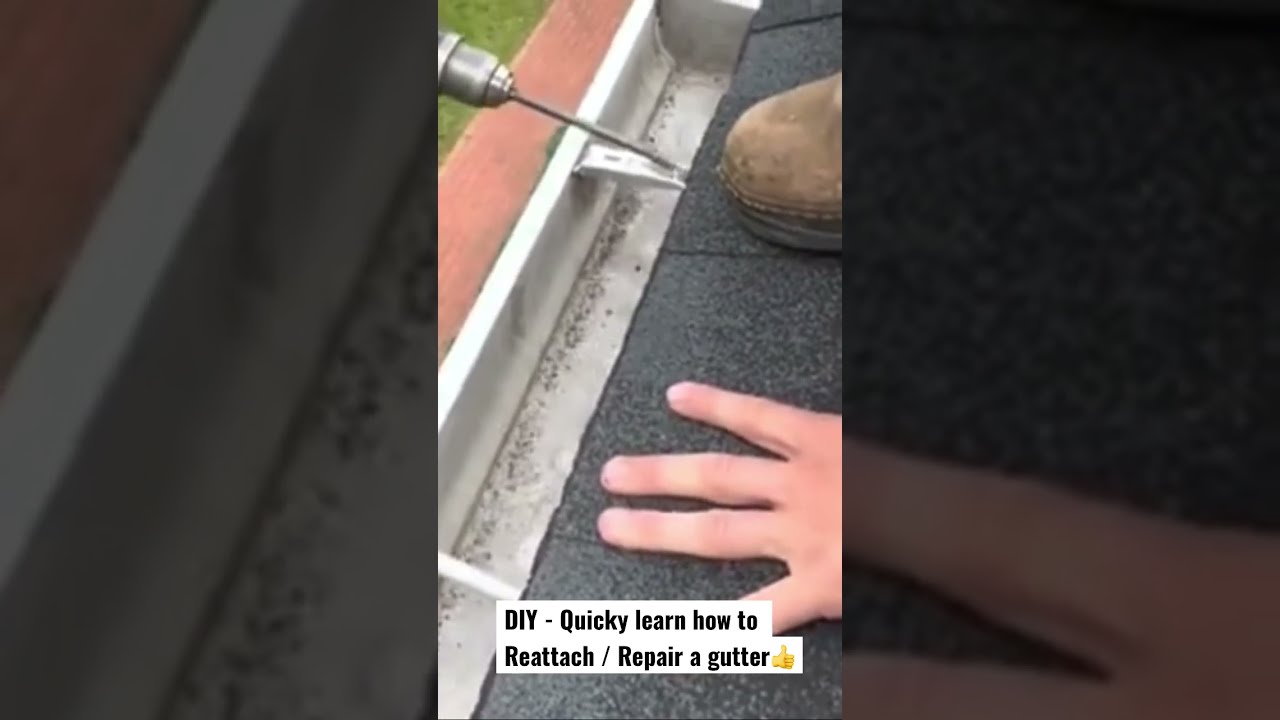
Damaged gutter repair is a common call-out after storms, falling branches or long periods of neglect. Typical repairs include resealing joints, replacing corroded sections, re-fixing sagging runs, correcting fall, and replacing broken brackets. Prompt repair matters because persistent overflow can saturate fascias, rot timber, and drive moisture into wall cavities.
Gutter Materials: Choosing the Right Option
The right material depends on the building's age, design, budget and exposure. Each has strengths and limitations.
Aluminum Gutter Repair and Replacement
Aluminium is lightweight, corrosion-resistant and widely used on commercial and residential buildings. Aluminum gutter repair often involves resealing seams, patching small punctures, replacing damaged sections and refixing loose brackets. Where gutters are dented, repeatedly leaking or structurally compromised, replacement with a heavier-gauge profile may offer better long-term value. Powder-coated finishes can also help a building's appearance and add protection in cold, damp conditions.
Copper Gutter Maintenance
Copper is often found on heritage buildings, boutique accommodation and high-end commercial premises. It is durable and develops a natural patina over time. Copper gutter maintenance mainly involves keeping the system clear of debris, checking soldered joints, ensuring compatible fixings are used to avoid galvanic corrosion, and avoiding contact with dissimilar metals. Because copper work is specialised, it is worth using a tradesperson experienced with soldering and heritage detailing.
Steel and Other Profiles
Colorbond-style steel gutters remain popular for commercial roofs because of their strength and wide colour range. In some cases, large industrial roofs may use custom-fabricated box or parapet gutters, which require tailored design and careful waterproofing. Whichever material you choose, compatibility with the roof sheeting, fasteners and downpipes should be confirmed to limit corrosion and leaks.
Advanced Gutter Solutions and Drainage Design
Advanced gutter solutions go beyond like-for-like replacement. They look at how water moves across the whole site and whether the existing system has enough capacity. Options may include:
- Upsized gutters and additional downpipes to meet current rainfall intensity requirements
- Overflow devices or relief slots to reduce the risk of internal flooding if the main gutter blocks
- Leaf guards or mesh systems designed for bushfire-prone areas
- Rainwater heads and sumps to improve flow at high-volume points
- Connections to rainwater tanks, detention systems or approved stormwater drains
These measures form part of comprehensive drainage solutions. Good drainage also includes ground-level considerations such as paving falls, subsoil drainage, and diverting water away from retaining walls and foundations, which is particularly important on the steep and sloping sites common throughout the Blue Mountains.
How Gutters Connect to Roofing Performance
Gutters work as part of a roof system, not in isolation. When the roof covering, flashings or ventilation are failing, the gutter often shows the first symptoms: granules from worn shingles, rust flakes, standing water or staining on fascias.
Commercial Roofing and Roof Repair
Effective commercial roofing management includes checking that the roof sheets or membrane discharge cleanly into the gutters, that flashings are sealed, and that penetrations are watertight. Commercial roof repair may be needed if you notice recurring leaks near gutter lines, lifted sheets, or damaged fascia boards. A comprehensive roof repair approach fixes the cause of the problem, not just the visible leak.
Roof Replacement and Reroofing
When a roof reaches the end of its service life, gutters are usually replaced at the same time. This avoids having to disturb a new roof later and ensures that the roof edge, flashing and gutter profile work together. Depending on the building, options may include complete roofing replacement, comprehensive roof reroofing or a staged program that spreads costs over several budget cycles. Certified installers can advise on compliance, warranties and suitable materials. Choosing a certified roof reroofing provider helps ensure work meets manufacturer and building requirements.
Common roof materials seen across the region include metal sheeting, concrete and terracotta tiles, asphalt shingle replacement on some buildings, and cedar shake replacement on older or architecturally styled properties. Each has specific requirements for underlays, flashings and gutter interface details, and cedar in particular needs careful consideration in bushfire-prone zones.
Attic and Roof Ventilation
Poor ventilation can cause condensation, mould, timber decay and premature roof deterioration, all of which can eventually affect gutters and fascias. Attic ventilation installation and attic ventilation repair help control moisture and temperature in roof spaces. In summer, attic heat reduction and attic cooling methods such as ridge vents, eave vents and powered extraction can reduce heat load on the building. In winter, balanced airflow helps limit condensation on cold surfaces.
Many commercial buildings benefit from customized roof ventilation designed around roof shape, insulation and use. Advanced ventilation techniques and comprehensive roof venting strategies can improve comfort, protect materials and reduce long-term energy demand. Any ventilation upgrade in a bushfire-prone area should use ember-resistant products and meet current requirements.
Brickwork, Walls and Water Management
Many Blue Mountains commercial properties feature brick facades, parapets and chimneys. When gutters overflow or downpipes discharge against a wall, moisture can penetrate brickwork and mortar, accelerating deterioration.
Brick Repair and Restoration
Signs that water has affected masonry include crumbling mortar, efflorescence (white salt deposits), spalling faces, damp patches and cracking near joints. Typical services include:
- Brick repointing services and brick mortar replacement to restore weather resistance
- Brick joint repair and brick expansion joint repair to accommodate building movement
- Brick facade repair and brick deterioration repair for damaged or eroded sections
- Brick structural repair and brick wall reconstruction where walls have been compromised
For heritage buildings, brick mortar restoration should use a mortar compatible with the original brick and lime-based materials where appropriate. Using overly hard modern mortar can damage softer historic bricks. Good brick wall maintenance, including keeping gutters flowing and ensuring correct downpipe discharge, supports brick structural integrity, brick durability enhancement and brick erosion control. Protective treatments can also provide brick wall weatherproofing, and in some cases support brick thermal insulation performance when combined with appropriate wall upgrades. A comprehensive wall repair plan treats both the cause of moisture and the resulting damage.
Painting and Sealing for Commercial Exteriors
Fascias, gutters, eaves and external walls all rely on protective coatings https://charlieknqw328.hexaforgey.com/posts/comprehensive-drainage-solutions-for-steep-hillside-homes and sealants. Commercial painting sealing helps prevent moisture entry, slows corrosion and maintains street appeal. A comprehensive painting sealing program may include surface preparation, rust treatment, priming, top coats and re-sealing of joints and junctions. Advanced painting techniques, such as airless spraying on large surfaces or specialised coatings for metal and masonry, can provide longer-lasting results when matched correctly to the substrate.
For larger projects, complete painting sealing alongside gutter and roof work allows access equipment to be shared and reduces disruption to tenants and customers. Comprehensive sealing solutions also apply to roof penetrations, flashings, window heads and parapet caps, which are common entry points for water.
Planning a Maintenance Program
Reactive repairs usually cost more than planned maintenance. A structured program helps with budgeting and compliance. Comprehensive roof maintenance typically includes gutter cleaning, roof inspections, sealant checks, ventilation checks and reporting.
- Audit the building: Arrange an initial inspection of the roof, gutters, downpipes, walls and ventilation.
- Prioritise risks: Rank issues by urgency, such as active leaks, blocked outlets and bushfire hazards.
- Set a cleaning schedule: Base it on tree cover, season and building use.
- Schedule repairs and upgrades: Group work to reduce access costs and disruption.
- Keep records: Retain reports, photos, warranties and invoices for insurers and future owners.
- Review annually: Reassess after major storms and before the bushfire season.
Choosing a Commercial Gutter Contractor
When comparing providers, look for relevant licensing, public liability insurance and a clear approach to working at heights. Commercial work often requires elevated work platforms, edge protection or rope access, so confirm that safety procedures are documented. Ask whether the provider offers comprehensive roofing services or can coordinate with trades who do, since gutter, roof and wall issues frequently overlap. A provider offering commercial roof solutions across repair, replacement and maintenance can often give more consistent advice and accountability.
Useful questions to ask include:
- Are you experienced with bushfire-prone area requirements?
- Can you provide a written scope, photos and a clear quote?
- What warranties apply to materials and workmanship?
- How will you minimise disruption to tenants, customers and trading hours?
- Do you hold certifications for roofing products you install?
Choose certified roof repair and installation specialists where possible, particularly for work that affects warranties or compliance. For major projects, complete roof installation or comprehensive roof replacement should come with detailed documentation on materials, drainage design and ventilation.
Looking Ahead: 2026 and Beyond
In 2026, property owners are paying closer attention to climate resilience, insurance requirements and bushfire preparedness. Many insurers now ask for evidence of regular maintenance, and building managers are increasingly adopting scheduled inspection programs and digital reporting. Looking to 2027 and beyond, expect continued interest in higher-capacity drainage, ember-resistant products, improved ventilation strategies and coatings that extend maintenance intervals. Planning ahead allows you to align gutter work with broader roof and facade upgrades instead of reacting to failures.
Final Thoughts
Gutters may be a small part of a commercial building, but they influence the condition of the roof, walls, foundations, landscaping and even the safety of people entering the property. In the Blue Mountains, where leaf litter, heavy rain and bushfire risk all come into play, a proactive approach makes good financial sense. Combine regular inspection, timely damaged gutter repair, suitable materials and well-designed drainage with sound roofing, ventilation, brickwork and sealing practices, and your property will be better protected through every season.
Top Roofer Blue Mountains
Old Bathurst Rd, Blaxland NSW 2774, Australia
(02) 4703 9006